The Importance of Lighting in Interior Design
The Importance of Lighting in Interior Design and How to Choose It
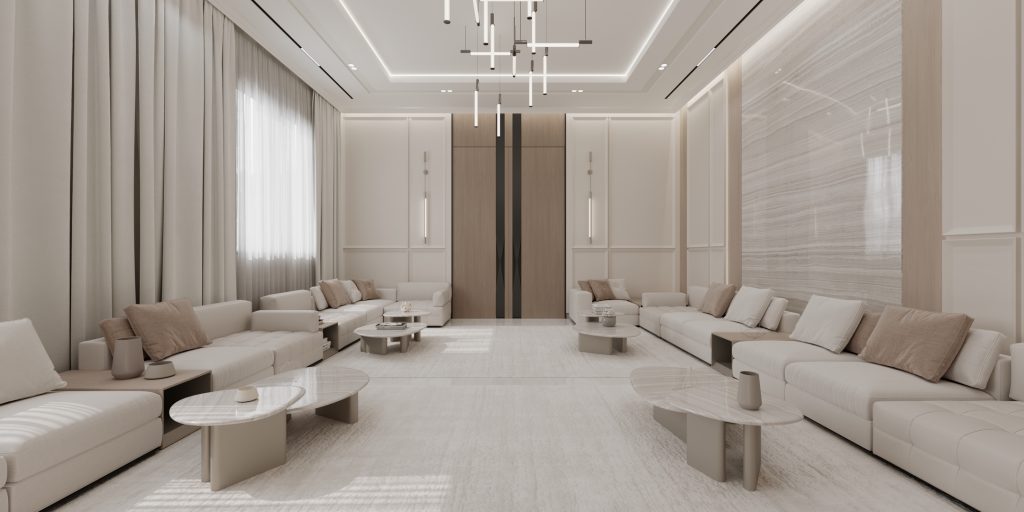
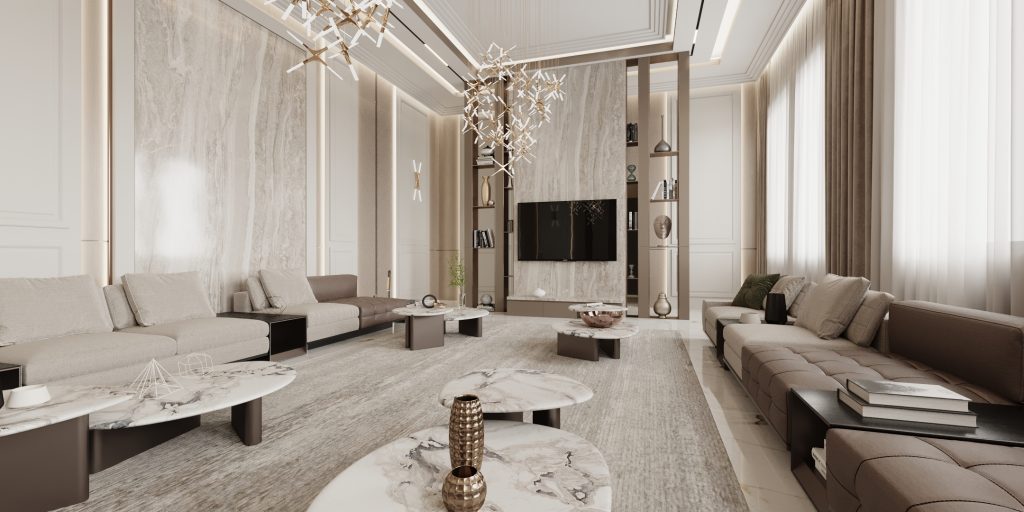
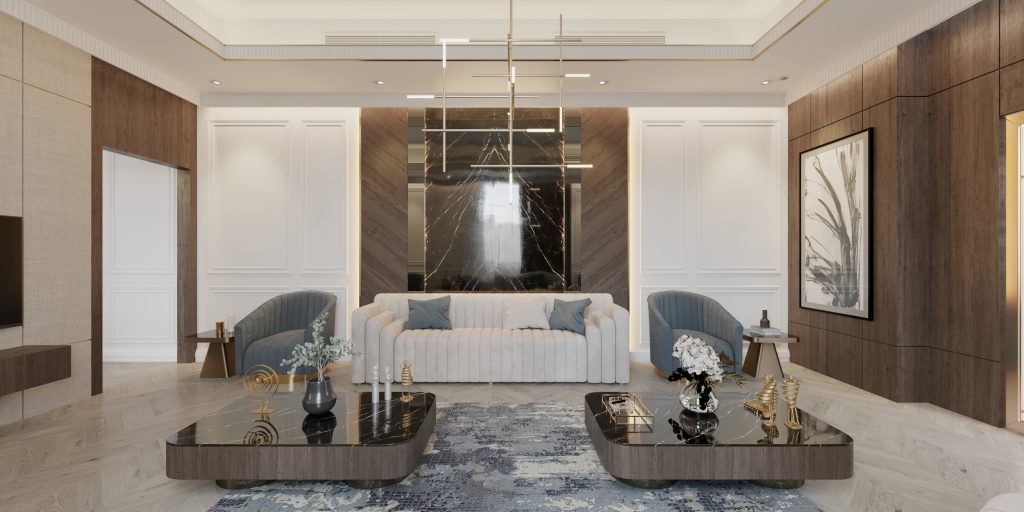
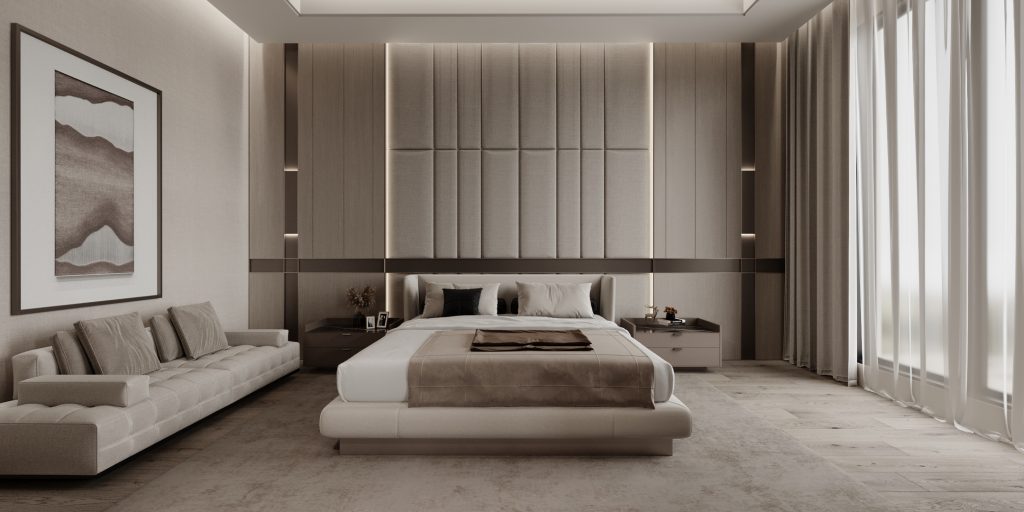
Lighting is one of the most important elements in interior design. It is not just a functional necessity but a powerful design tool that affects mood, aesthetics, and functionality. Proper lighting highlights colors, furniture, and architectural details, creating a balanced environment suitable for work, relaxation, and social activities.
In this article, we will explore:
- Why is lighting crucial in homes and offices?
- Types of lighting and their functions
- How to choose the right lighting for each space
- Modern lighting trends in interior design
Why Lighting Matters in Interior Design
- Enhances Mood and Wellbeing
Lighting directly affects human psychology and comfort. Natural light improves focus and energy, while warm light promotes relaxation.
- Highlights Design and Aesthetics
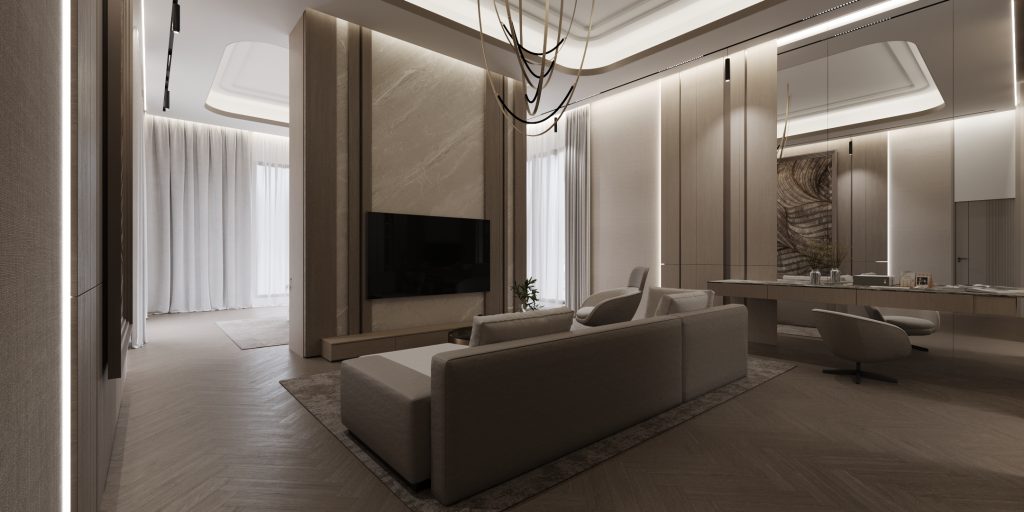
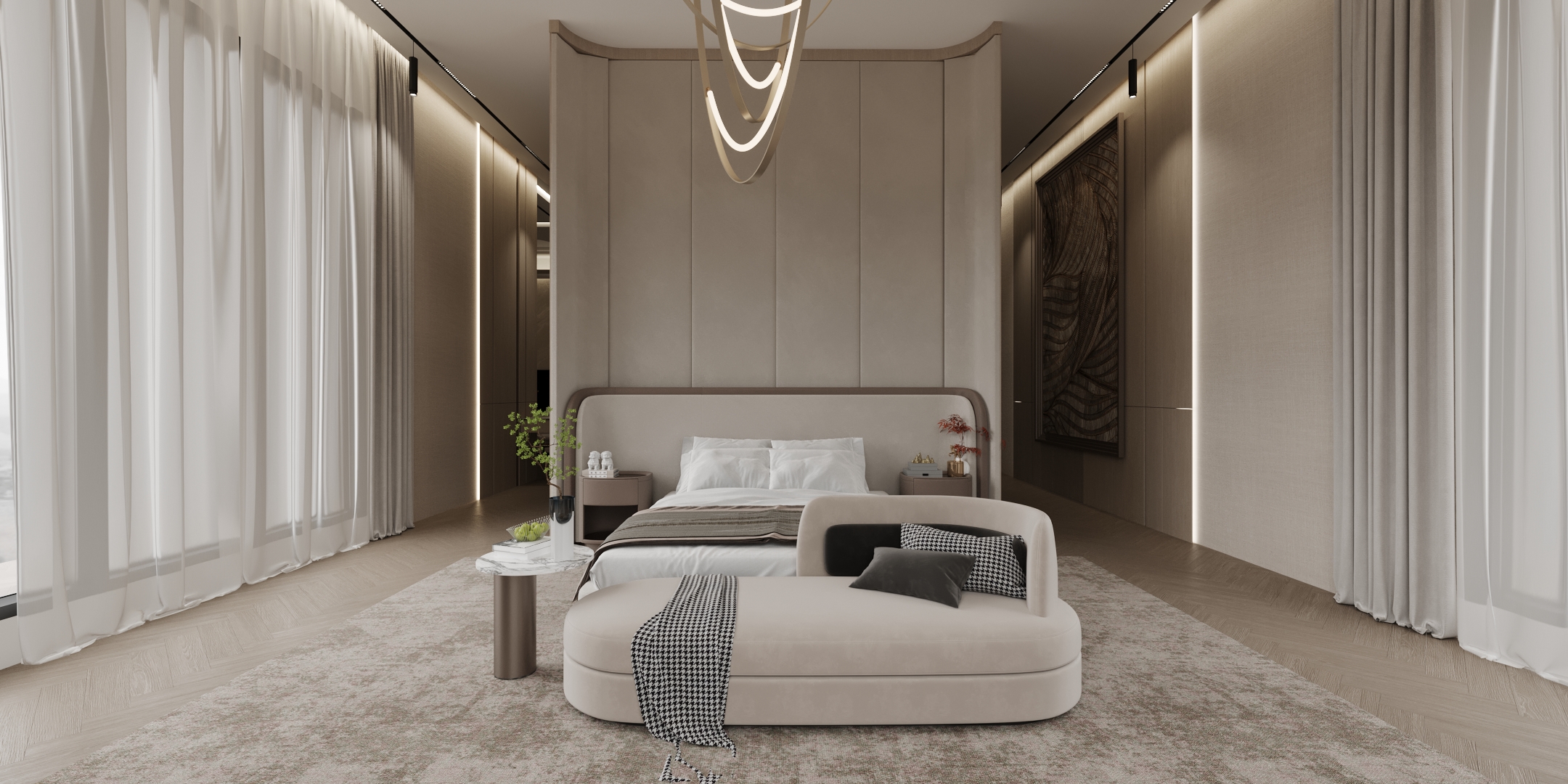
Lighting helps accentuate architectural details, textures, and colors. For example, spotlights on artwork or decorative walls make rooms more visually appealing.
- Defines Functional Areas
Specific lighting for each area improves usability:
- Bright lighting for work or study
- Dim lighting for relaxation
- Accent lighting for decoration and focal points.
- Energy Efficiency
Using energy-efficient bulbs like LEDs and smart lighting systems reduces electricity consumption and is environmentally friendly.
Types of Interior Lighting
- Ambient Lighting
Provides general illumination for the entire space:
- Examples: chandeliers, ceiling lights, wall-integrated lights
- Purpose: overall visibility without harsh shadows
- Task Lighting
Focused on specific areas to aid in performing tasks:
- Examples: desk lamps, kitchen counter lights, bedside reading lamps
- Purpose: enhance productivity and comfort during activities
- Accent Lighting
Used to highlight specific elements in a room:
- Examples: spotlights on artwork, LED strips, wall sconces
- Purpose: add depth and visual interest
Tips for Choosing the Right Lighting
- Define Each Space’s Function
- Living room, bedroom, kitchen, and office require different lighting types.
- Consider Room Size and Ceiling Height
- Large rooms need multiple light sources, small rooms require soft, evenly distributed light.
- Mix Lighting Types
- Combining ambience, task, and accent lighting creates a balanced and dynamic environment.
- Choose Fixtures That Match the Style
- Modern fixtures for contemporary interiors, classic lamps for traditional spaces.
- Maximize Natural Light
- Large windows reduce the need for artificial lighting during the day.
- Use Smart Lighting Controls
- Dimmers and timers allow adjusting brightness and saving energy.
Modern Lighting Trends
- Eco-Friendly Lighting
- Energy-efficient bulbs and sustainable materials.
- Layered Lighting
- Combining ambient, task, and accent lighting for dynamic designs.
- Smart Lighting Systems
- Control via apps or voice commands, adjusting brightness and color according to mood.
- Integrated and Hidden Lighting
- Concealed wiring and fixtures maintain a sleek and minimal aesthetic.