Integrating Technology in Interior Design: Smart Homes
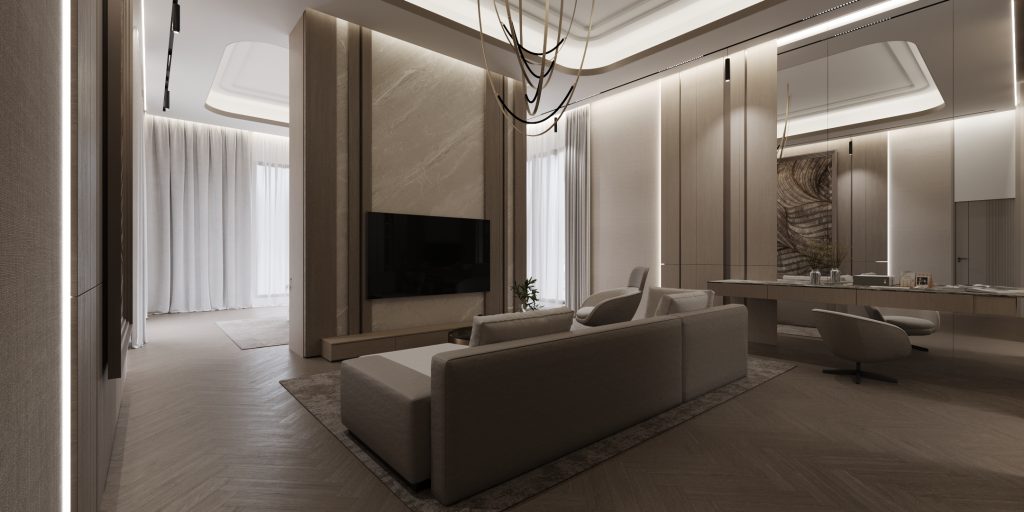
The integration of technology into interior design has transformed the way we live, turning ordinary homes into smart, efficient, and stylish environments. Smart homes combine aesthetic appeal, functionality, and convenience, allowing homeowners to control lighting, climate, security, and entertainment systems with the touch of a button or a simple voice command.
This article explores how technology is shaping modern interior design, the latest trends in smart homes, and practical tips for integrating tech without compromising style or comfort.
What Is a Smart Home?
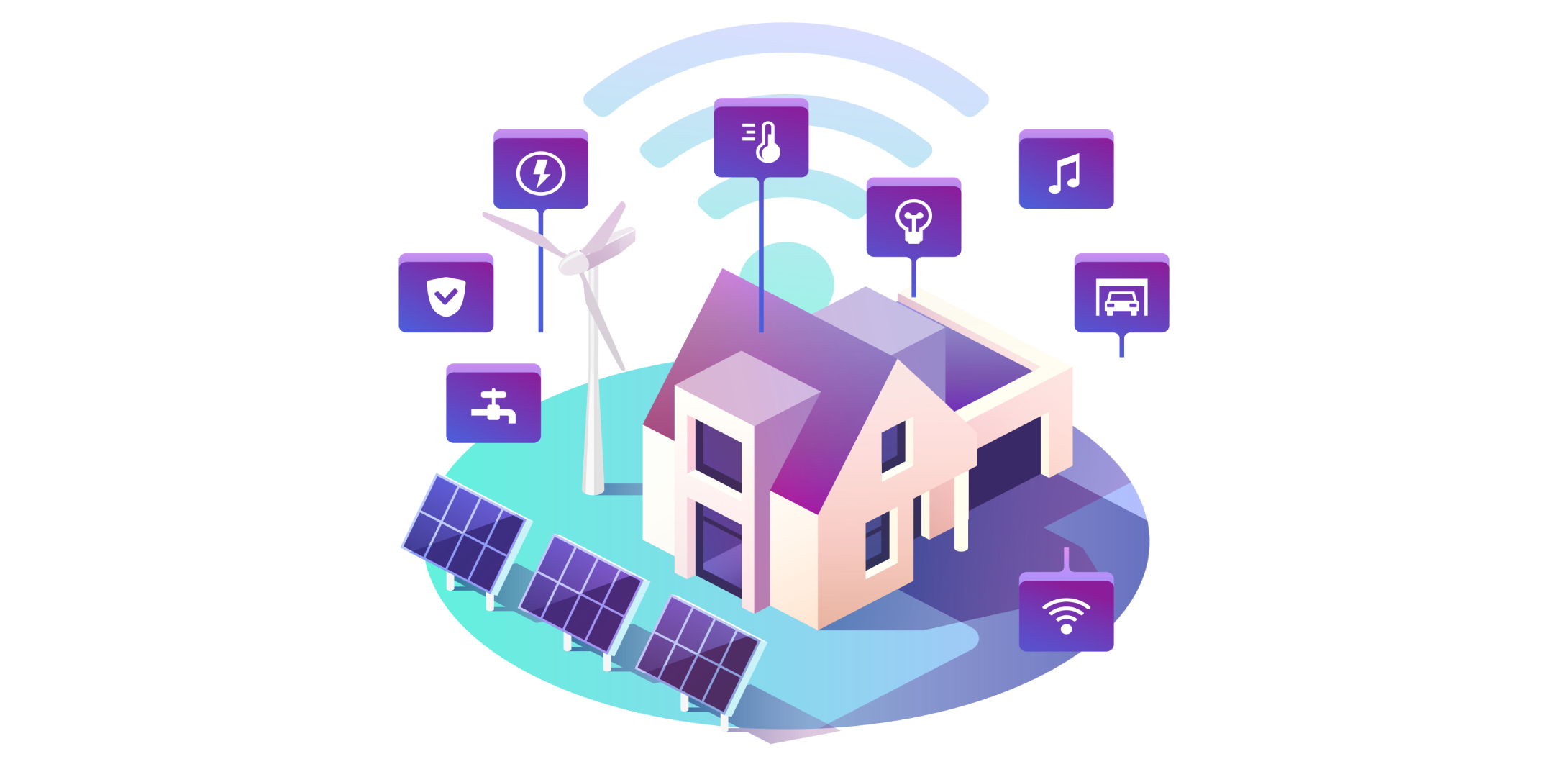
A smart home is a residence equipped with automated systems and connected devices that can be remotely controlled, monitored, and customized. These systems often include:
- Smart lighting that adjusts brightness and color automatically
- Climate control such as smart thermostats and HVAC systems
- Home security including cameras, alarms, and locks
- Entertainment systems like multi-room speakers and smart TVs
- Voice-controlled assistants like Amazon Alexa or Google Home
Smart home technology can increase energy efficiency, convenience, and safety, while also adding a modern touch to interior spaces.
Why Integrate Technology into Interior Design?
Integrating technology into interior design is more than just adding gadgets. It is about creating spaces that are intuitive, efficient, and visually harmonious. Here are the main benefits:
- Enhanced Comfort
- Smart lighting, thermostats, and window shades can adjust automatically based on time of day, season, or activity.
- Improved Energy Efficiency
- Automated systems reduce electricity and water consumption, lowering utility bills.
- Increased Safety and Security
- Remote monitoring and smart locks give homeowners peace of mind.
- Convenience and Control
- Centralized systems allow homeowners to control multiple devices through apps or voice commands.
- Modern Aesthetic Appeal
- Integrating technology in a seamless way enhances the overall interior design, creating sleek and futuristic spaces.
Key Technologies in Modern Interior Design
- Smart Lighting Systems
Lighting plays a pivotal role in interior design. Smart lighting systems allow for customizable brightness, color temperature, and mood settings. Features include:
- Automated schedules for day and night
- Motion sensors for energy saving
- Voice control for convenience
- Accent and ambient lighting integration with furniture and decor.
Properly integrated smart lighting enhances the aesthetic appeal while being energy efficient.
- Climate Control and HVAC
Smart thermostats and HVAC systems maintain optimal comfort with minimal effort. Benefits include:
- Temperature adjustments based on occupancy
- Remote control via smartphone apps
- Integration with other systems for automated energy saving
- Zone-based heating/cooling for personalized comfort
- Smart Security Systems
Safety is a primary concern in modern homes. Smart security technology includes:
- Smart locks for doors and windows
- Video doorbells and surveillance cameras
- Motion detectors and automated alarms
- Remote monitoring from anywhere in the world
Integrating security with interior design ensures the systems are discreet and stylish, not just functional.
- Home Entertainment
Smart homes offer immersive entertainment experiences with technology seamlessly integrated into the decor:
- Multi-room audio systems hidden in walls or ceilings.
- Smart TVs with minimalist frames
- Projectors for home theaters that blend with the interior.
- Wireless connectivity reduces clutter and maintains sleek designs.
- Voice Assistants and Automation
Voice-controlled assistants like Amazon Alexa, Google Home, or Apple HomeKit allow for complete automation:
- Turn on/off lights and appliances.
- Adjust temperature or curtains.
- Play music or videos.
- Receive alerts for security and home maintenance.
Voice control adds effortless convenience while maintaining a clean and minimalist interior.
Designing a Smart Home Without Compromising Style
One of the biggest challenges in integrating technology into interior design is keeping the aesthetic clean and cohesive. Here are some strategies:
- Conceal Technology
- Hide wires behind walls or furniture.
- Use built-in speakers, outlets, and switches.
- Minimalist Approach
- Avoid cluttering by limiting visible gadgets.
- Use sleek, modern devices that blend with décor.
- Smart Furniture
- Furniture with built-in charging stations or speakers
- Modular furniture that accommodates smart devices
- Color and Material Integration
- Match tech devices with the room’s color palette.
- Use materials like wood, metal, and glass to complement devices.
Current Trends in Smart Home Interior Design
- Eco-Friendly Smart Homes
- Integration of solar panels, energy-efficient appliances, and water-saving devices.
- Smart systems monitor energy usage for sustainability.
- Health-Focused Homes
- Air purifiers, humidity control, and sleep monitoring systems improve indoor air quality and well-being.
- Multi-Functional Spaces
- Rooms that transform from workspaces to entertainment areas using smart technology.
- Luxury and Customization
- High-end smart systems are designed to fit the architectural style and interior theme of the home.
Practical Tips for Homeowners
- Plan Early: Integrate technology in the initial interior design phase. Retrofitting later can be costly.
- Focus on User-Friendly Systems: Devices should be intuitive for all family members.
- Balance Technology and Style: Ensure gadgets enhance rather than dominate the space.
- Prioritize Security: Keep devices updated and secure from cyber threats.
- Future-Proof Your Home: Choose scalable systems that can be upgraded over time.
The Future of Smart Homes
The future of smart home interior design is moving towards fully automated, adaptive, and sustainable living spaces. Innovations may include:
- AI-driven environments that adapt lighting, temperature, and sound based on mood.
- Advanced robotics for cleaning, security, and maintenance
- Seamless integration with wearable technology for personalized experiences
- Greater focus on eco-conscious and energy-efficient smart homes
Conclusion
Integrating technology into interior design is no longer optional, it’s becoming essential for modern living. Smart homes combine functionality, aesthetics, and convenience, transforming spaces into safe, comfortable, and energy-efficient environments. By carefully planning and selecting technology that complements your interior style, you can create a home that is both futuristic and visually stunning.
Smart homes are not just about gadgets, they are about enhancing lifestyle, comfort, and well-being while maintaining elegance and design harmony.