Interior Design Styles Guide: Modern and Classic
Introduction
Interior design is more than arranging furniture; it’s about creating spaces that reflect personality, functionality, and aesthetics. Whether you’re designing a home, office, or commercial space, understanding the different types of interior design styles helps you make informed decisions.
In this comprehensive guide, we explore the most popular interior design styles used today — from modern minimalism to timeless classic interiors.
- Modern Interior Design
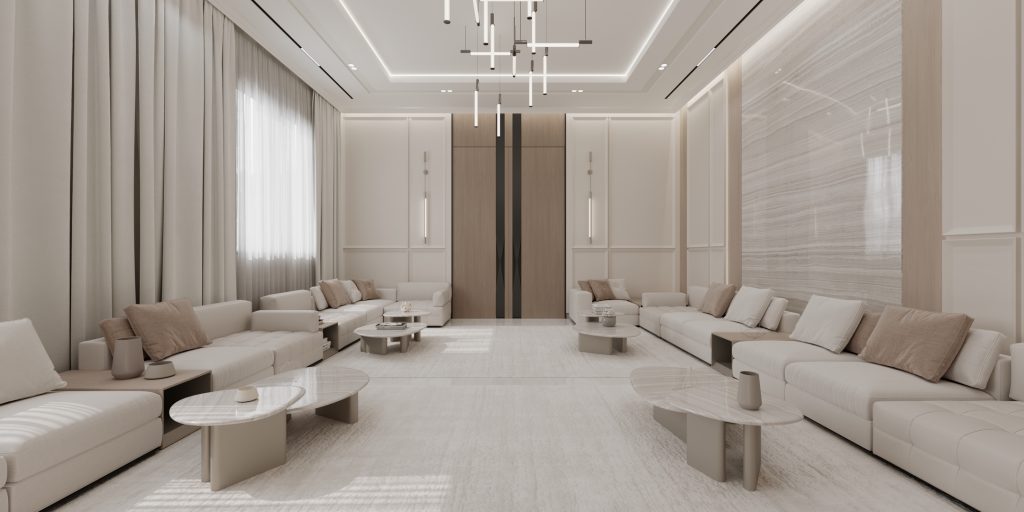
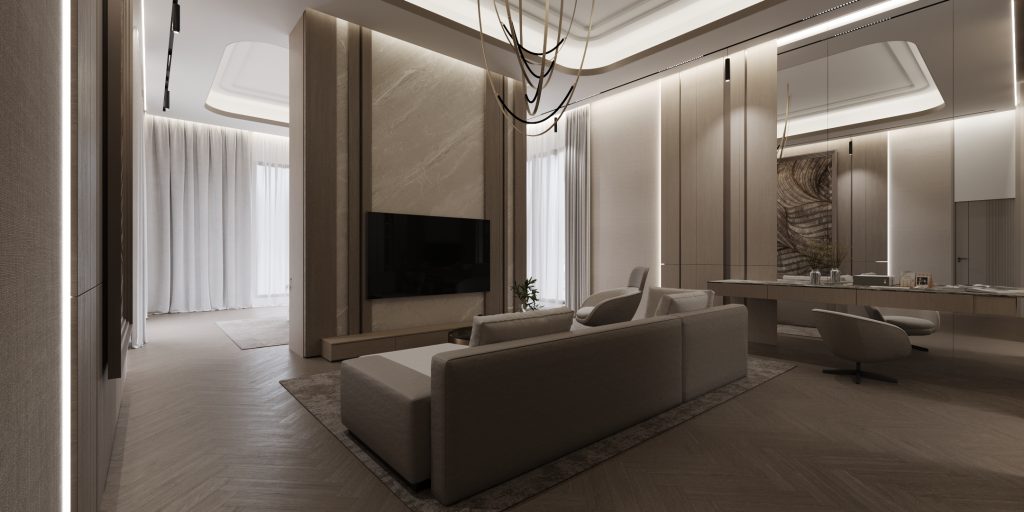
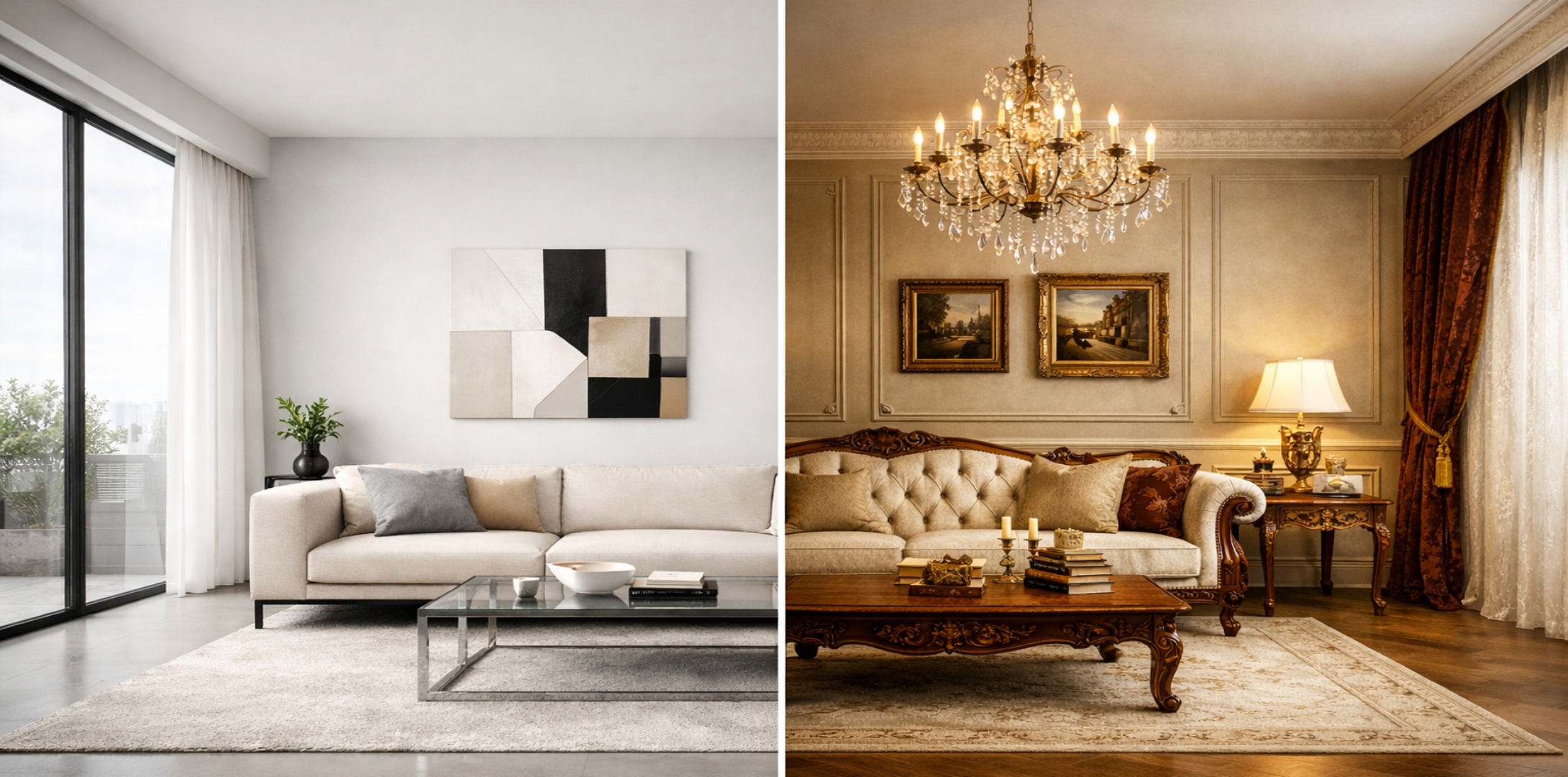
Modern interior design originated in the late 19th and early 20th centuries. It emphasizes simplicity, clean lines, and functionality.
Key Features:
- Neutral color palettes (white, gray, beige)
- Clean horizontal and vertical lines
- Minimal ornamentation
- Open floor plans
- Natural materials like wood and leather
Modern design focuses on “less is more,” making it ideal for urban apartments and contemporary homes.
- Contemporary Interior Design
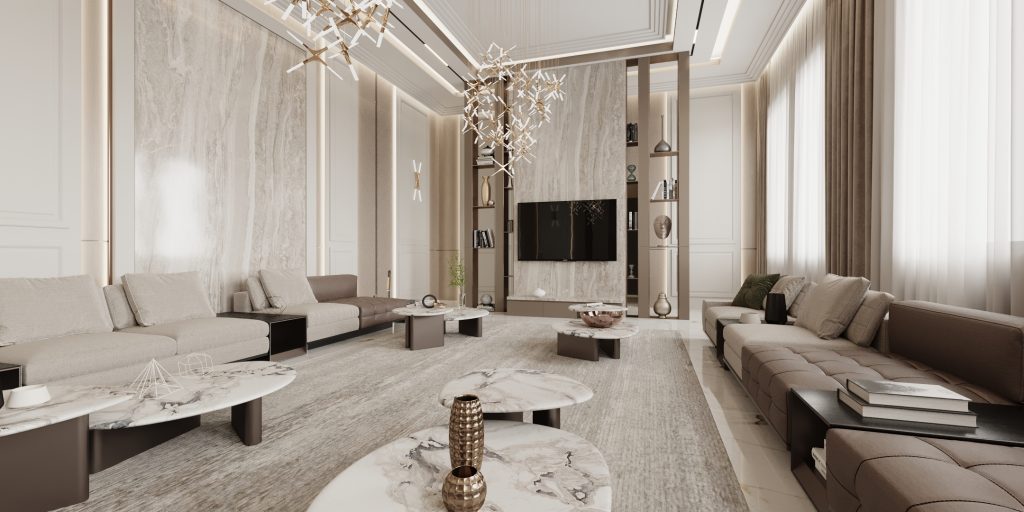
Although often confused with modern design, contemporary interior design reflects current trends and evolves over time.
Characteristics:
- Open spaces
- Natural light emphasis
- Neutral colors with bold accent tones
- Sleek furniture with curved lines
- Sustainable materials
Contemporary interiors blend comfort with sophistication, making them highly adaptable.
- Traditional Interior Design
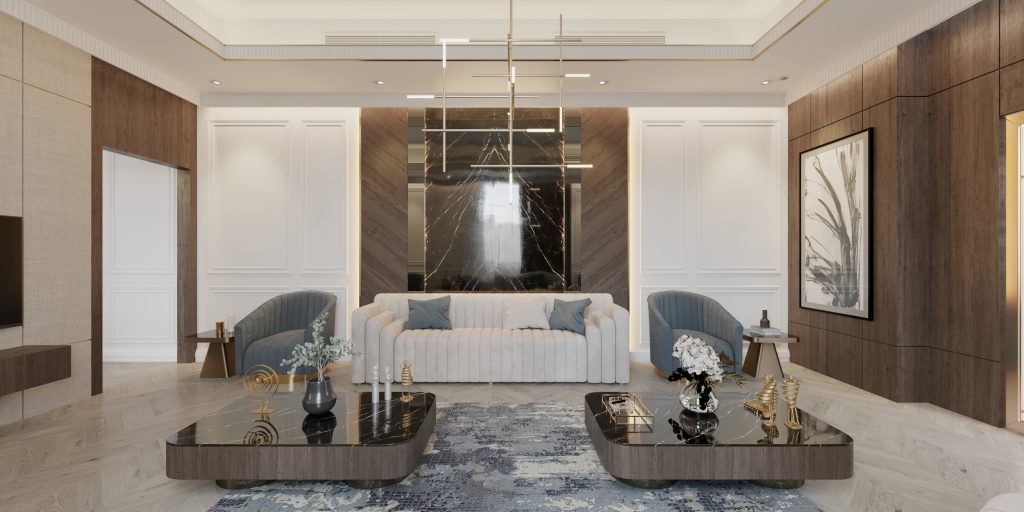
Traditional interior design is rooted in 18th and 19th-century European decor, especially influenced by classic European aesthetics.
Features:
- Rich wood tones
- Elegant fabrics like silk and velvet
- Detailed moldings and paneling
- Symmetrical furniture arrangements
- Warm, inviting color schemes
This style suits homeowners who appreciate timeless elegance.
- Minimalist Interior Design
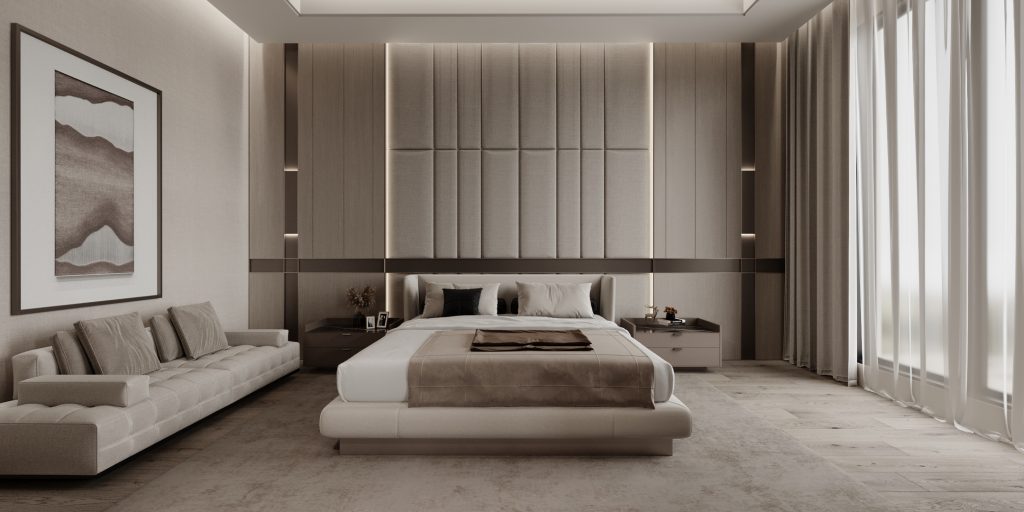
Inspired by modern design and Japanese simplicity, minimalist interiors eliminate unnecessary elements.
Core Elements:
- Neutral color palette
- Functional furniture
- Clean surfaces
- Open, uncluttered spaces
- Focus on natural light
Minimalism creates calm environments and improves mental clarity.
- Industrial Interior Design
Industrial design became popular after old factories were converted into residential lofts.
Main Characteristics:
- Exposed brick walls
- Metal fixtures
- Raw wood
- Concrete floors
- Open ceilings with visible ducts
This style is bold and works well in urban settings.
- Scandinavian Interior Design
Originating from Nordic countries, Scandinavian design prioritizes comfort and simplicity.
Design Traits:
- Light wood flooring
- White walls
- Functional furniture
- Cozy textiles
- Hygge-inspired comfort
Scandinavian interiors are bright, airy, and highly functional.
- Bohemian Interior Design
Bohemian or “Boho” design is artistic and unconventional.
Elements Include:
- Layered textiles
- Pattern mixing
- Earth tones
- Indoor plants
- Handmade decor items
This style allows creative freedom and self-expression.
- Rustic Interior Design
Rustic design brings nature indoors.
Key Aspects:
- Reclaimed wood
- Stone fireplaces
- Warm earth tones
- Organic textures
- Handcrafted furniture
It creates cozy, welcoming environments, ideal for country homes.
- Mid-Century Modern Interior Design
Developed between the 1940s and 1960s, this style blends retro aesthetics with functionality.
Features:
- Tapered wooden legs
- Organic shapes
- Bold accent colors
- Minimal decoration
- Large windows
Mid-century modern remains highly popular today.
- Transitional Interior Design
Transitional design combines traditional and modern elements.
Characteristics:
- Neutral palettes
- Comfortable furnishings
- Balanced textures
- Minimal decorative accessories
It’s perfect for those who want a mix of classic and contemporary.
Conclusion
Choosing the right interior design style depends on your personality, lifestyle, and space requirements. From minimalist simplicity to luxurious traditional decor, each design type serves a unique purpose.
Understanding these types of interior design helps you create harmonious, functional, and visually stunning spaces.