How to Choose Right Colors for Home Interior
Home Interior Color Selection – A Complete Guide:
Choosing the right colors for your home interior is one of the most important decisions in any design or renovation project. Color is not just a decorative element — it directly affects mood, perception of space, lighting balance, and overall atmosphere. The right color palette can transform an ordinary space into a warm, elegant, and inviting home, while the wrong choice can make even a luxury interior feel uncomfortable.
In this comprehensive guide, we will walk you through how to choose the perfect colors for your home, whether you are building a new villa, renovating an apartment, or simply refreshing your walls.
Why Color Selection Matters in Interior Design
Color has psychological and visual impact. It influences how large or small a room feels, how bright it appears, and even how people emotionally respond to it.
- Light colors create a sense of openness and cleanliness.
- Dark colors add depth, drama, and sophistication.
- Warm tones make space feel cozy and welcoming.
- Cool tones promote calmness and relaxation.
Because of this, selecting colors randomly or purely based on trends can lead to imbalance. A successful interior design begins with a well-thought-out color strategy.
Start with the Function of the Room
Before choosing any color, ask yourself: What is this room used for?
Living Room Colors
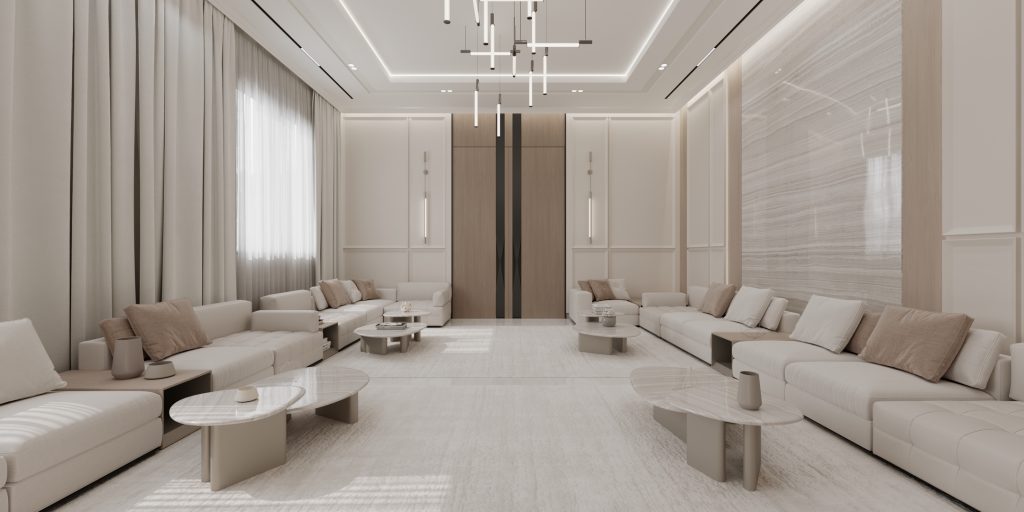
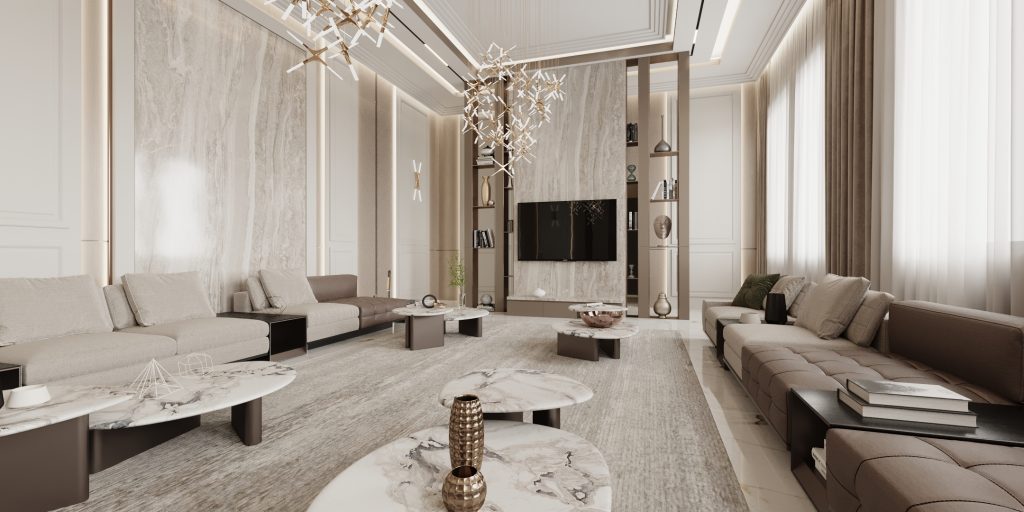
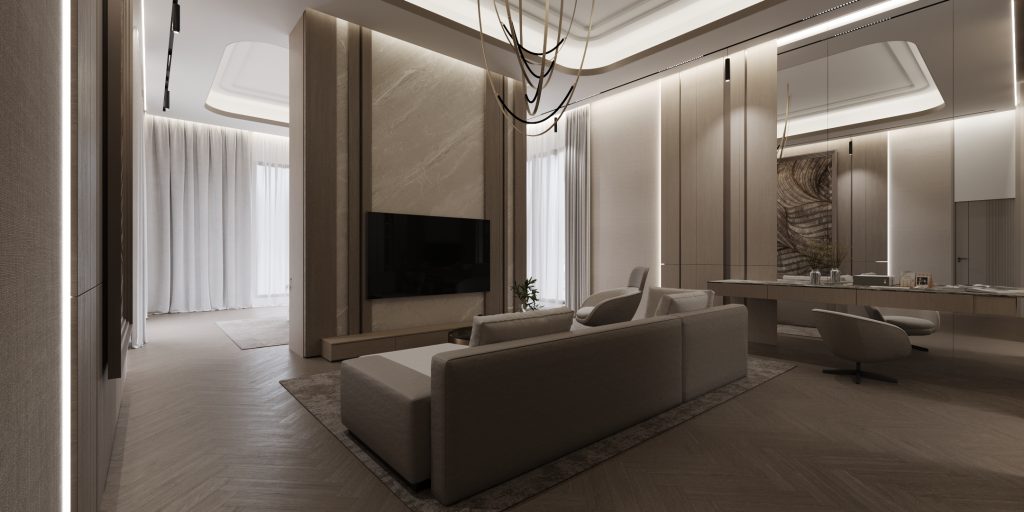
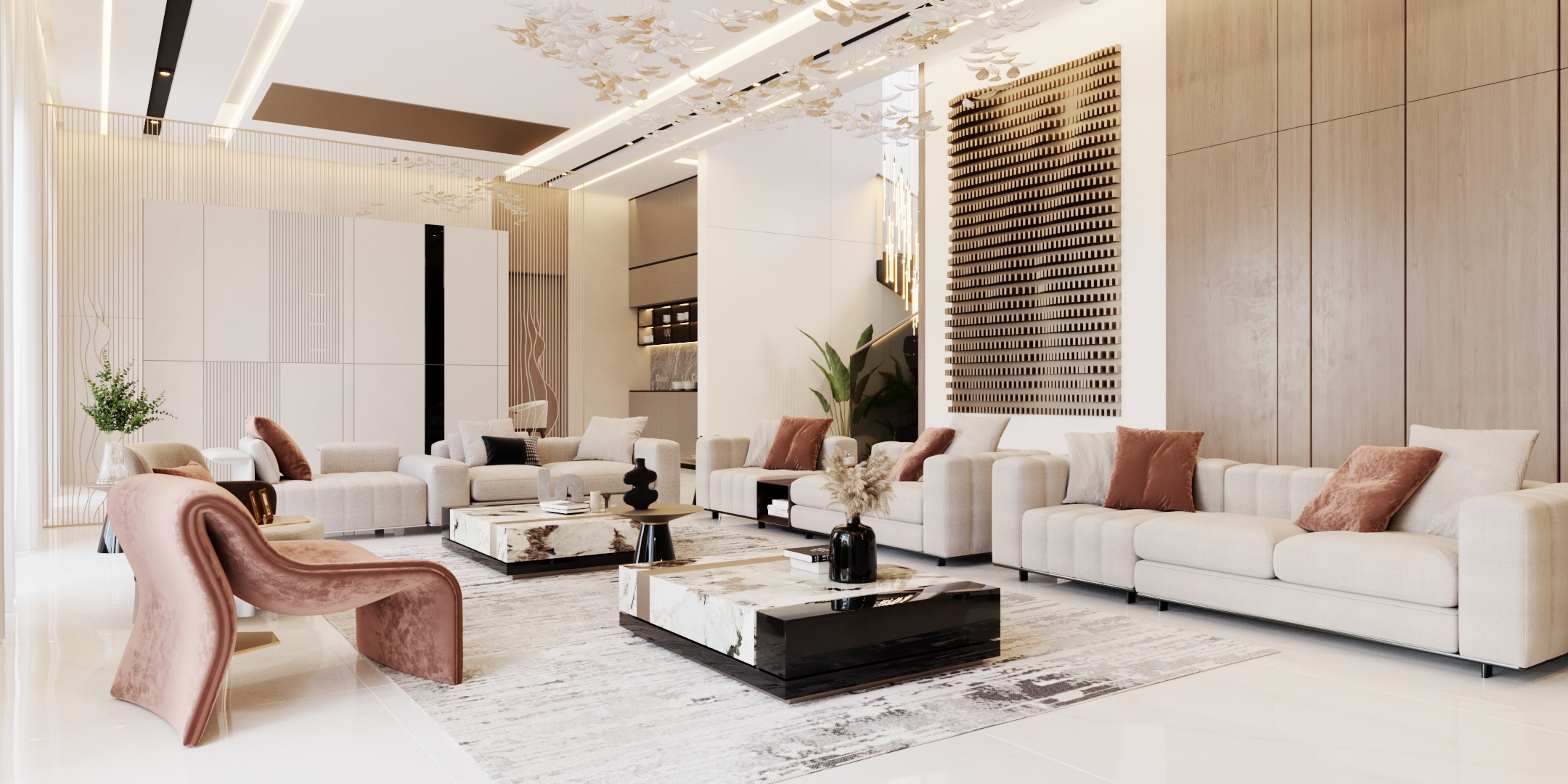
The living room is typically the heart of the home. Neutral tones such as warm beige, soft grey, off-white, or greige (a blend of grey and beige) work beautifully as base colors. These shades create a calm background that allows furniture, artwork, and decorative elements to stand out.
You can introduce a statement color on one feature wall to add personality without overwhelming the space.
Bedroom Colors
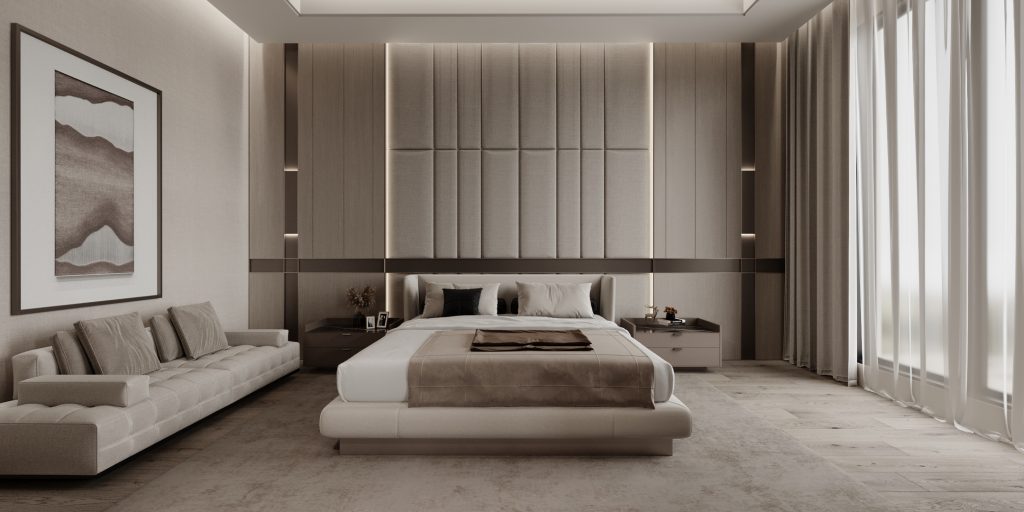
Bedrooms should promote rest and relaxation. Soft, muted tones such as dusty blue, sage green, warm taupe, or creamy beige are ideal. Avoid overly bright or intense colors, as they can interfere with sleep quality.
Kitchen Colors
In kitchens, light and clean tones often work best. White, light grey, or soft cream reflect cleanliness and brightness. You can incorporate bold accents through cabinetry, backsplash tiles, or island units for a modern look.
Bathroom Colors
Bathrooms benefit from light or stone-inspired shades. Soft greys, sandy tones, and marble-inspired palettes enhance the feeling of freshness and openness — especially in smaller bathrooms.
Understand the Impact of Lighting
One of the most common mistakes homeowners make is choosing a paint color in a showroom and assuming it will look the same at home. Lighting changes everything.
Natural Light
Rooms with large windows and abundant sunlight can handle darker or richer tones because natural light softens the intensity.
North-facing rooms may feel cooler, so warmer shades help balance the atmosphere.
Artificial Lighting
Warm lighting (around 3000K) enhances warm tones and creates a cozy environment.
Cool white lighting (4000K and above) sharpens colors and can make them appear more intense.
Always evaluate paint samples on your wall and observe them at various times of the day before making a final decision.
Follow the 60-30-10 Rule
A timeless interior design principle for color distribution is the 60-30-10 rule:
- 60% – Main color (walls and large surfaces)
- 30% – Secondary color (furniture and upholstery)
- 10% – Accent color (decor, cushions, artwork, accessories)
This rule creates visual harmony and prevents overcrowding the space with too many competing colors.
Creating a Cohesive Color Palette
Instead of choosing one isolated color, develop a cohesive color palette of three to four complementary shades.
For example, a luxury modern palette might include:
- Warm beige
- Soft grey
- Natural wood tones
- Subtle gold or black accents
This layered approach creates depth and sophistication without overwhelming the eye.
Choosing Colors for Small Spaces
If you are working with limited space:
- Use lighter shades to enhance openness.
- Avoid stark contrast between ceiling and walls.
- Consider painting one accent wall in a slightly deeper tone to create dimension.
Mirrors and glossy finishes can amplify light and enhance the overall effect of your color scheme.
Matching Colors with Materials and Finishes
Color should never be selected independently from materials. Flooring, marble, wood finishes, and metals must all work together.
- White marble pairs well with soft greys, tapes, and muted greens.
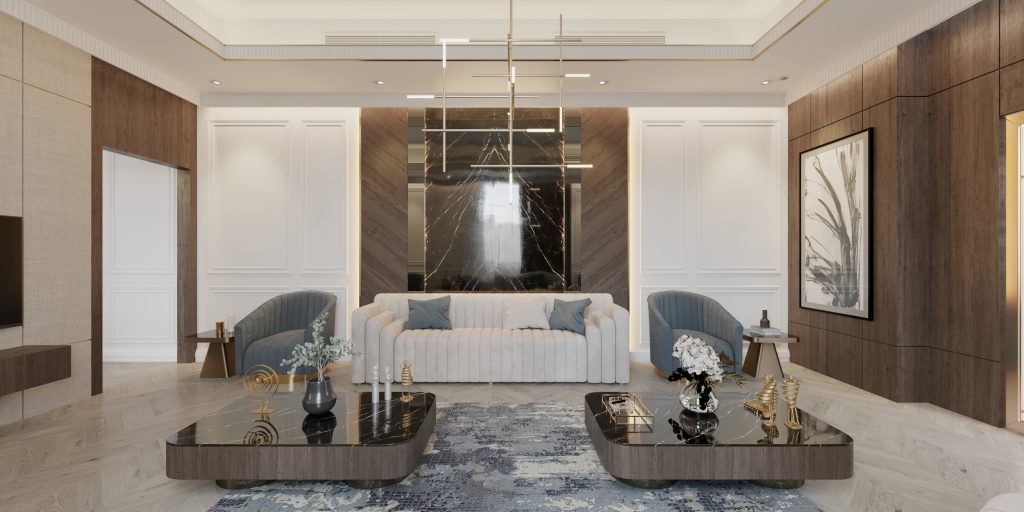
- Dark wood requires lighter wall tones for balance.
- Gold accents complement warm palettes.
- Black elements create stark contrast within light interiors.
A professional interior approach considers the interaction between color and texture.
Modern Interior Color Trends
While timeless neutrals remain popular, current luxury interior trends favor softer, warmer tones.
Trending colors include:
- Warm beige and sand tones
- Greige (grey-beige blend)
- Muted sage green
- Dusty blue
- Creamy white instead of pure white
These shades create what designers call “quiet luxury” — elegant, understated, and refined.
Common Mistakes to Avoid
- Choosing colors purely based on trends.
- Ignoring the tone of flooring or fixed elements.
- Using too many bold colors in one space.
- Skipping sample testing.
- Forgetting the role of lighting.
A successful interior feels balanced and intentional, not accidental.
When to Consult a Professional
If you are designing a luxury villa or undertaking a full renovation, working with an interior designer or professional finishing contractor can save time and prevent costly mistakes.
Experts help with:
- Creating a unified color strategy
- Coordinating finishes and materials
- Ensuring proper lighting balance
- Achieving long-term aesthetic value
Color is an investment in your home’s identity.
Final Thoughts
Home Interior Color Selection is not just about preference — it is about creating harmony between space, light, materials, and lifestyle.
A carefully selected color palette enhances comfort, adds value, and reflects your personal taste. Whether you prefer modern minimalism or classic elegance, the right colors will define the character of your home for years to come.
If you are planning a new build or renovation, take the time to explore, test, and refine your choices — because in interior design, color is the foundation of everything.