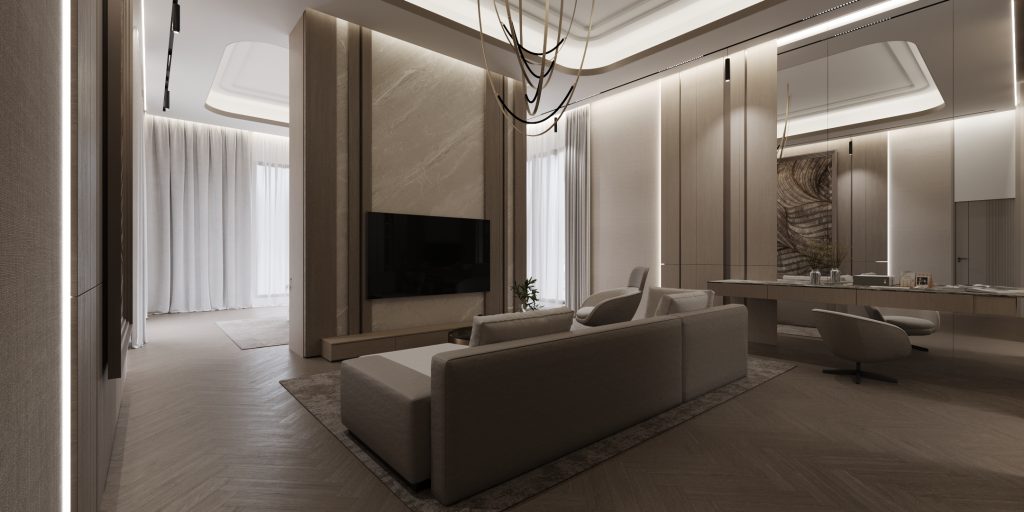
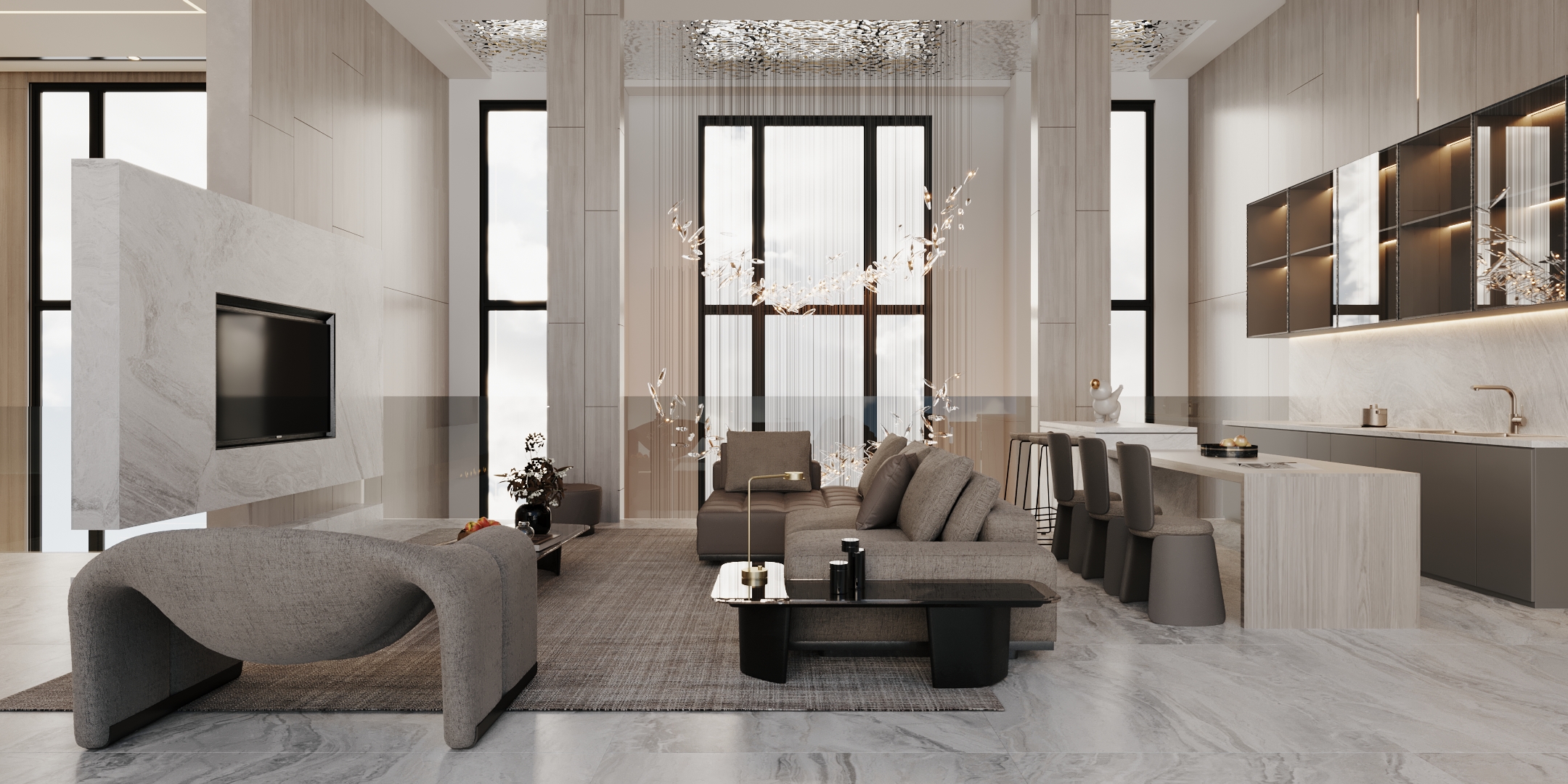
Interior Design for Enhancing Living Spaces
Understanding the Concept of Interior Design
The core of interior design is organizing interior spaces to achieve harmony between visual elements and practical requirements. Effective interior design creates environments that are both attractive and user-friendly. Whether applied to apartments, houses, or villas, principles like balance, proportion, and functionality guide every successful project.
The Importance of Interior Design in Modern Living
Interior design directly impacts how people interact with their surroundings. A well-planned interior can improve comfort, movement, and efficiency, making daily life more enjoyable. Modern interior design emphasizes maximizing space while maintaining a clean, cohesive aesthetic, demonstrating why interior design is key in enhancing living spaces in contemporary homes.
Modern Interior Design Trends and Styles
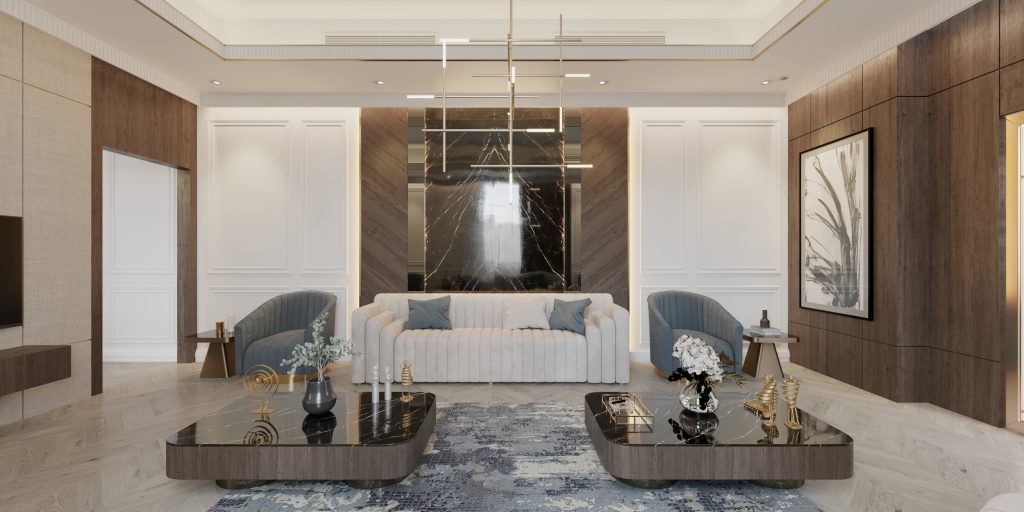
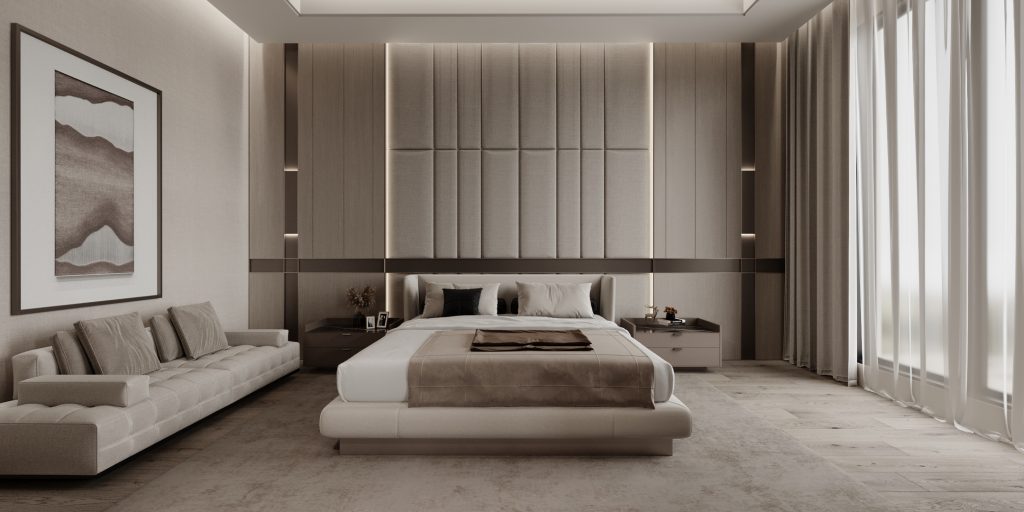
Modern interior design is characterized by simplicity, clean lines, and functional layouts. Popular trends include neutral color palettes, minimal furniture, and smart storage solutions. These features help designers meet both aesthetic and practical needs without compromising comfort.
Apartment Interior Design and Smart Space Solutions
Apartment interior design requires careful planning due to space limitations. Professionals use efficient layouts, multifunctional furniture, and visual openness to maximize usability. Strategic interior design can make even small apartments feel spacious, organized, and welcoming.
House and Villa Interior Design Concepts
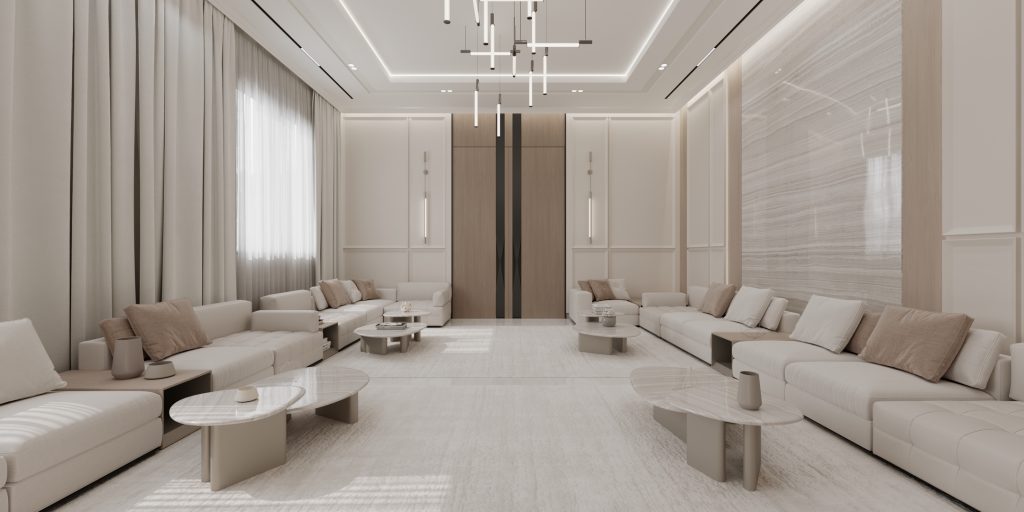
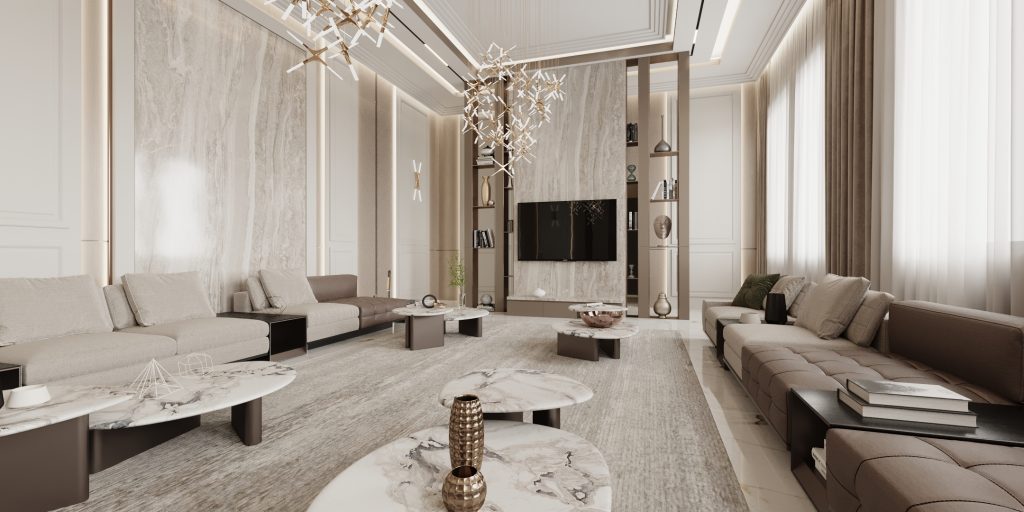
Designing houses and villas offers more flexibility and scale. House interiors focus on comfort and smooth room transitions, while villas often emphasize luxury, openness, and natural light. Regardless of scale, interior design principles—balance, proportion, and functionality—ensure harmony and cohesion, transforming properties into enhancing living spaces.
The Role of an Interior Design Company
Collaborating with a professional interior design company ensures every detail aligns with modern standards. From space planning to material selection, experts guide the process to maximize efficiency, aesthetics, and comfort.
Interior Design Process and Key Stages
A structured interior design process typically includes:
- Space analysis and requirement assessment
- Concept development
- Material and color selection
- Detailed planning and execution
Each stage contributes to the final outcome, ensuring interiors are both visually appealing and highly functional.
Balancing Aesthetics and Functionality
Successful interior design balances beauty with practicality. Modern approaches integrate functional solutions seamlessly with style, creating spaces that are comfortable, efficient, and visually harmonious.
Color, Lighting, and Furniture
- Color Selection: Colors influence mood and perception. Designers choose palettes that enhance natural light and architectural features.
- Lighting: Proper lighting improves ambiance and spatial clarity, combining natural and artificial sources for optimal effect.
- Furniture: Carefully chosen furniture ensures comfort and aligns with the overall interior design, supporting functional and aesthetic goals.
Choosing the Right Interior Design Approach
Selecting the appropriate interior design strategy involves evaluating lifestyle needs, space requirements, and budget. A well-planned design not only meets current needs but adapts to future changes, making interior design a long-term investment in enhancing living spaces effectively.
The Future of Interior Design
Interior design continues to evolve with technology, sustainability, and changing lifestyles. Smart systems, eco-friendly materials, and adaptable layouts are now integral to modern interiors. These innovations ensure that interior design remains central to modern homes.
Conclusion
Interior design is a fundamental element in creating functional, visually appealing, and comfortable environments. From apartment interiors to luxurious villas, thoughtful design significantly impacts quality of life. By following professional principles and structured processes, interior design continues to be the key to enhancing living spaces for modern living.